
We Are Losing Our Earthshine
As our planet loses its natural reflectivity, it absorbs ever more of the Sun's energy.

If you spent the last week trapped in a top-floor apartment beneath the rooftops of Paris, you would already know what it feels like when a surface stops reflecting the Sun and starts absorbing it.
As temperatures climbed above 40°C, countless homes directly beneath dark roofs became ovens. Throughout the day those rooftops absorbed enormous amounts of solar energy. By late afternoon they were radiating that stored heat into the rooms below, turning bedrooms into places where sleep became almost impossible. Even after sunset, the heat remained trapped inside the building as the roof slowly released the energy it had collected throughout the day.
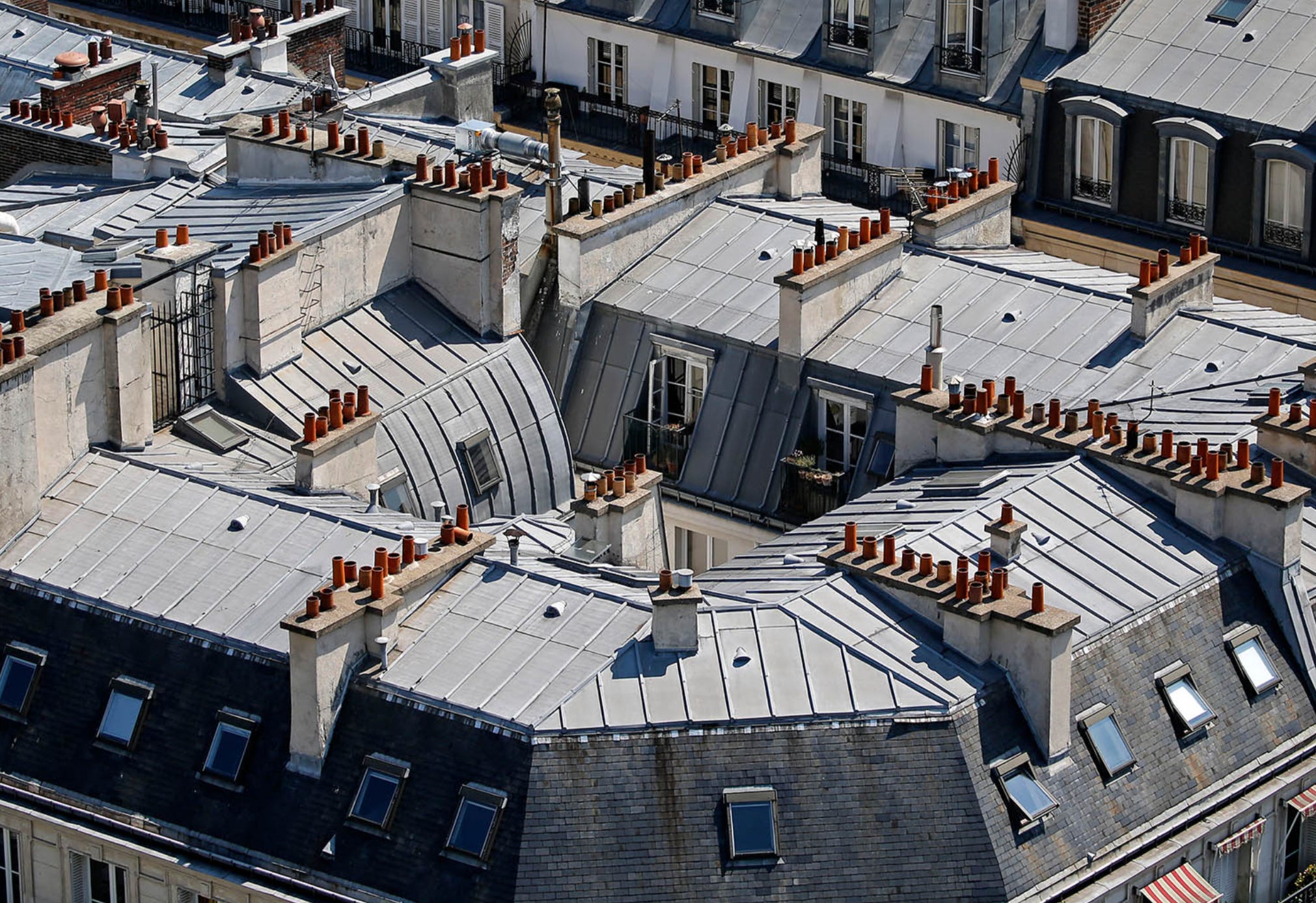
That is albedo in its simplest form. A bright surface reflects much of the Sun’s energy away. A dark surface absorbs it, stores it and releases it as heat. Now imagine scaling that simple principle from a single rooftop to an entire city.
For decades, the climate debate has focused almost entirely on greenhouse gases. Carbon dioxide, methane and other emissions have rightly dominated headlines because they trap heat in the atmosphere and are the principal driver of global warming. Yet there is another part of the Earth’s energy balance that receives remarkably little attention despite being just as fundamental to the climate system.
The Earth is losing its Earthshine.
Every day, around thirty per cent of the sunlight reaching our planet is reflected back into space. This reflected light, known as Earthshine, is a measure of the Earth’s albedo – the reflectivity of the planet. It is one of nature’s greatest cooling systems. The brighter the Earth, the more solar energy it reflects. The darker it becomes, the more energy it absorbs.
That balance is now changing.
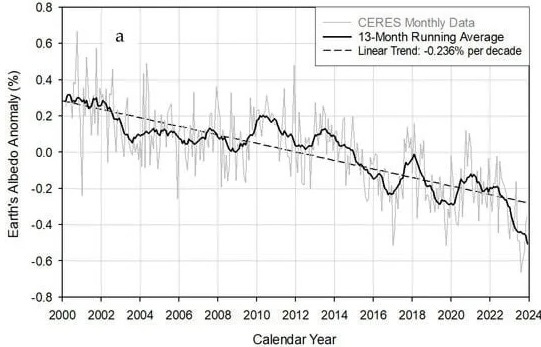
Satellite observations from NASA’s CERES mission show a persistent decline in Earth’s planetary albedo over the past two decades. What began as relatively small fluctuations has become a clear downward trend, particularly since around 2015. The planet is reflecting less sunlight than it did only twenty years ago. It may appear to be a tiny percentage change, but when applied across the entire surface of the Earth it represents an extraordinary increase in the amount of solar energy being absorbed every second of every day.
This is not simply another climate statistic. It is a direct measure of the planet becoming darker.
The reasons are becoming increasingly obvious. Across the Arctic, bright sea ice that once reflected enormous quantities of sunlight back into space is disappearing. Snow-covered landscapes that remained white for much of the year are shrinking. Glaciers that have existed for thousands of years are retreating at unprecedented rates. As these highly reflective surfaces vanish, they expose darker oceans, rock, soil and vegetation beneath. Those darker surfaces absorb far more of the Sun’s energy, further warming the planet and accelerating the melting that caused the problem in the first place.
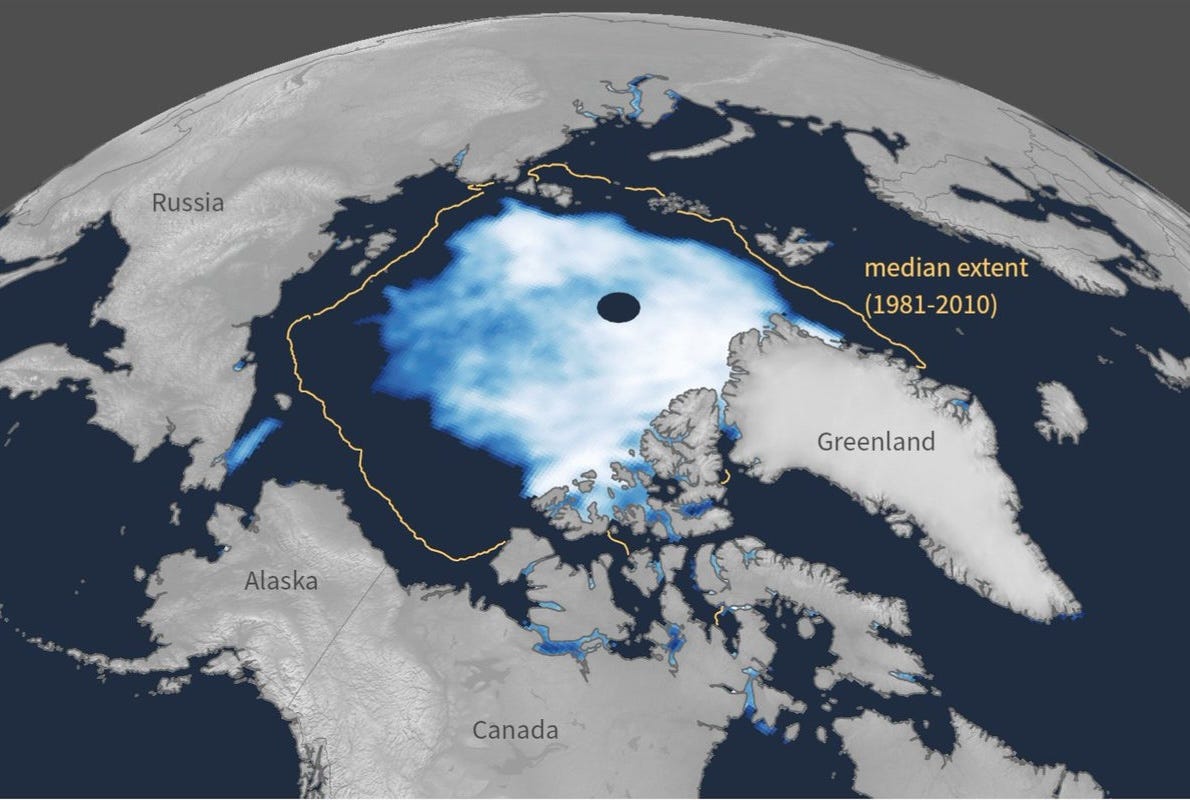
It is one of the most powerful positive feedback mechanisms in the climate system.
The consequences are no longer confined to satellite imagery or scientific journals. They are becoming visible in everyday life. Across mountain ranges in Europe, ski resorts increasingly find themselves operating on narrow strips of artificial snow surrounded by green grass. Chairlifts continue to run and visitors still arrive, but the landscape has changed beyond recognition. Entire mountainsides that would once have been blanketed in snow throughout winter now spend increasing periods of the season exposed and dark.
Perhaps the most remarkable aspect is how quickly society adapts to these changes. A generation ago, such scenes would have been regarded as extraordinary. Today they are increasingly accepted as normal. An entire generation of children is growing up without experiencing the winters their parents and grandparents once took for granted. The disappearance of snow is no longer viewed as a warning sign but simply as the new reality.
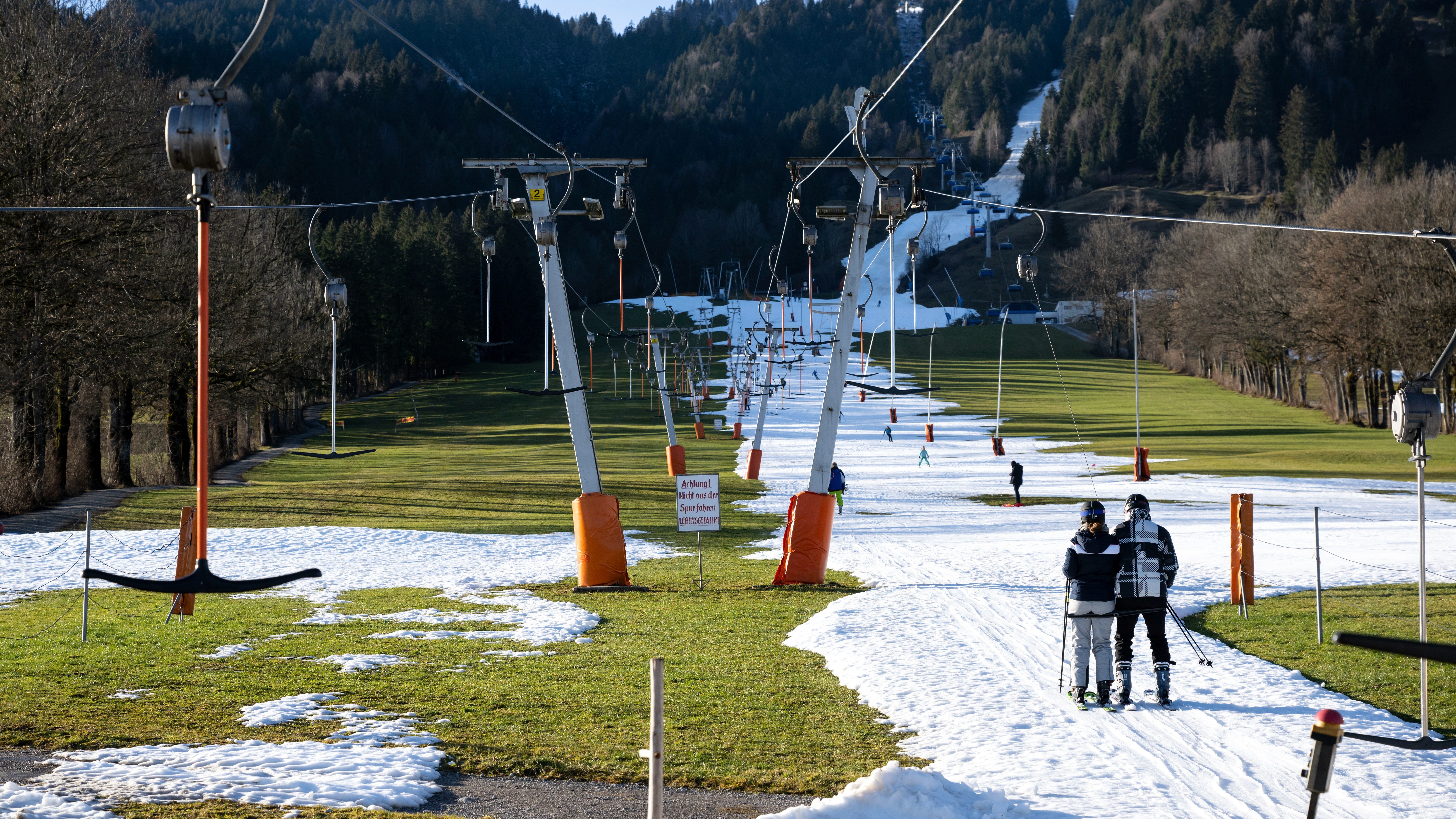
Yet every hectare of snow that disappears has consequences that extend far beyond tourism or winter sports. Fresh snow reflects up to ninety per cent of incoming sunlight. Grass, soil and exposed rock reflect only a fraction of that amount. Every retreating snowline therefore changes the Earth’s energy balance, turning natural mirrors into heat absorbers.
This is why the loss of Earth’s reflectivity matters so much.
Climate change is driven not only by the atmosphere’s increasing ability to trap heat, but also by the Earth’s decreasing ability to reflect incoming solar radiation. Greenhouse gases affect the heat trying to escape into space. Albedo determines how much solar energy enters the system in the first place. Both are fundamental components of the planetary energy balance, yet public discussion remains overwhelmingly focused on only one of them.
The irony is that while the Earth is steadily losing some of its brightest natural surfaces, there are still lobbying organisations actively campaigning against measures that would increase reflectivity in our cities. Investigations have revealed efforts to weaken or repeal requirements for reflective roofing materials, despite decades of research demonstrating that cool roofs reduce building temperatures, lower energy demand and help combat dangerous urban heat. At a time when the planet itself is becoming less reflective, deliberately making our built environment darker is moving in precisely the wrong direction.
Fortunately, this story is not entirely one of decline.
Unlike melting glaciers or disappearing Arctic sea ice, many human-made surfaces can be changed. Highly reflective roofs, advanced passive daytime radiative cooling materials, reflective pavements and carefully designed agricultural surfaces all have the potential to increase the Earth’s reflectivity while making communities cooler and more resilient. Around the world, researchers are experimenting with new reflective materials to protect glaciers, reduce urban heat and improve the energy performance of buildings. In our own work, we continue to develop sustainable surface technologies capable of increasing reflectivity while delivering practical cooling benefits for communities facing increasingly dangerous temperatures.
These solutions are not alternatives to reducing greenhouse gas emissions. They are complementary. We must continue reducing emissions with urgency because they remain the principal cause of climate change. But at the same time, we must recognise that restoring the Earth’s reflectivity is becoming an increasingly important part of restoring the planet’s energy balance.
Climate change is often described as an invisible process taking place high in the atmosphere. In reality, much of it is unfolding on the ground beneath our feet. It is happening on melting glaciers, shrinking snowfields, disappearing sea ice, expanding cities, dark rooftops, roads, agricultural land and forests. Every one of those surfaces influences how much of the Sun’s energy the Earth reflects back into space.
We are quite literally losing our Earthshine.
It is one of the most significant changes taking place on our planet, yet it remains almost entirely absent from public discussion and international climate policy. The world quite rightly talks about reducing emissions, but it must also begin talking about protecting and restoring the Earth’s natural reflectivity.
Our planet has spent millions of years evolving a delicate energy balance between incoming sunlight and outgoing heat. We are now disrupting both sides of that equation simultaneously.
The Earth is becoming darker. That should concern every one of us. Because if we can brighten the planet again through smarter materials, more reflective cities, protected snow and ice, and sustainable surface technologies, we will not simply be adapting to climate change. We will be helping to restore one of the Earth’s oldest and most powerful natural cooling systems.
And our soulshine.
We are at a very local and small-town level trying to change building codes to require cool or green roofs. "More expensive, government overreach and restrictive regulations" are the clarion calls of every developer. We are looking for a young, professional architecture, design and building team to come in and construct all of this and make money and set the trend--all without one regulation in sight.